
Wildfires need three essential elements: heat, oxygen and dry fuel. Fire weather refers to a mix of meteorological conditions that make it easy for wildfires to ignite and spread quickly. The main weather factors are low humidity, strong winds, warm temperatures and atmospheric instability.
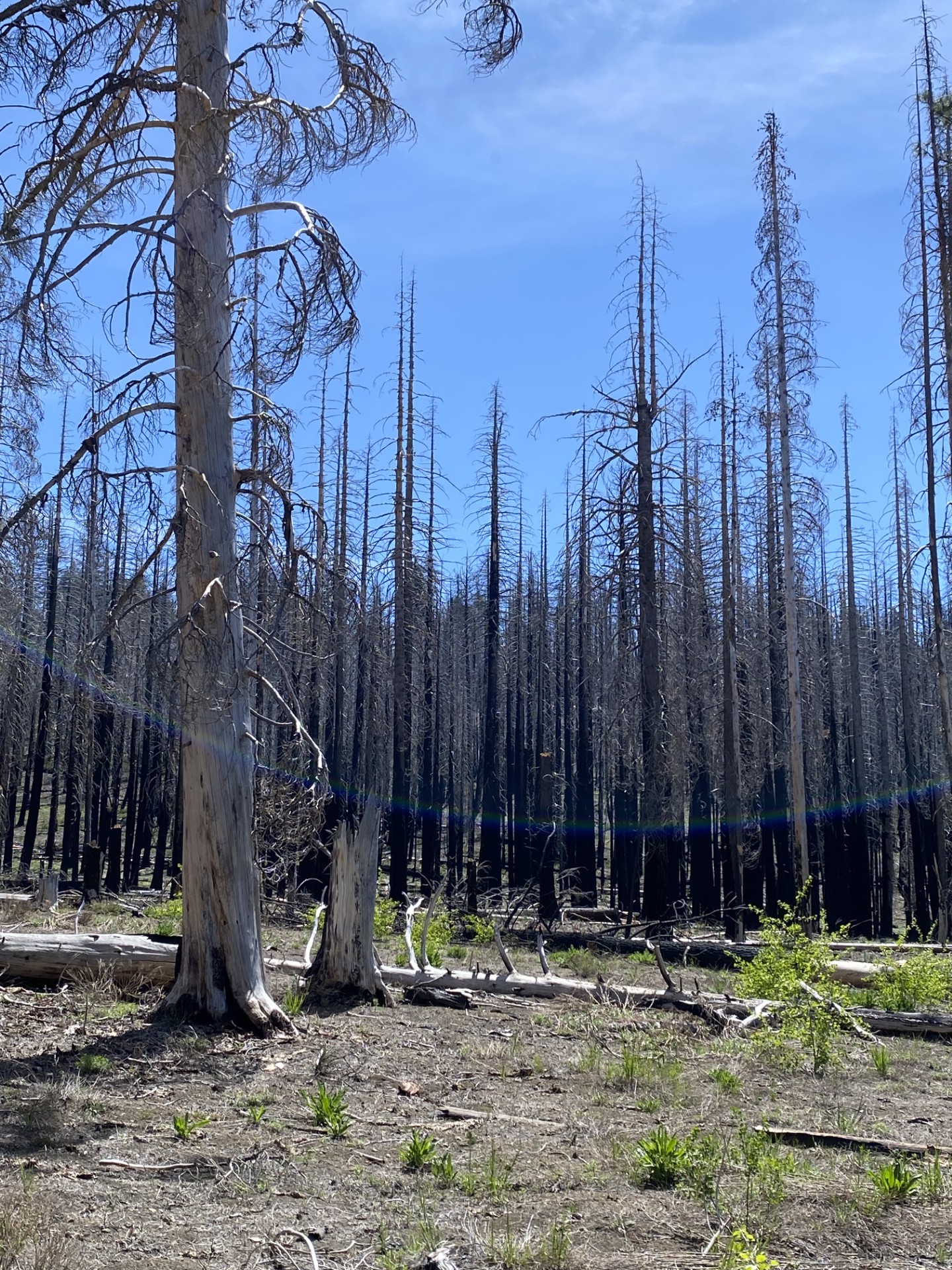
When humidity is low, moisture is drawn out of plants, turning them into highly combustible fuel for fires. Extended dry spells or droughts remove the moisture that helps prevent ignition, making the physical environment more vulnerable. Strong winds provide fires with oxygen and carry hot embers ahead of the fire line, starting new fires. Warm temperatures heat dry vegetation, making it more likely to ignite. Unstable atmospheric conditions allow smoke plumes to rise rapidly, intensify fires, and create unpredictable shifting winds.
National Oceanic and Atmospheric Administration meteorologists use specific alerts to warn when dangerous conditions are present. A Fire Weather Watch is issued when conditions may develop in the next 12 to 72 hours, while Red Flag Warnings are issued when critical fire weather conditions are imminent or already occurring.
Thresholds for issuing Red Flag Warnings vary by region due to differences in vegetation, terrain and climate, but they generally include winds of at least 15 mph measured 20 feet above ground level, relative humidity below 25% and 10-hour fuel moisture (a measure of the water content of dead vegetation in the quarter-inch to 1-inch size range) at or below 10%. In rare cases, the Red Flag Warning may designate an area as being in a “Particularly Dangerous Situation,” such as when warning criteria are greatly exceeded.
During Red Flag Warnings, dry vegetation and strong winds make it easy for fires to spread rapidly, posing a serious threat to people and property. Under Red Flag Warnings, even a single spark can trigger a major wildfire, so it is important to avoid using open flames outdoors during these events.
Steve Ackerman and Jonathan Martin, professors in the UW-Madison department of atmospheric and oceanic sciences, are guests on WHA radio (970 AM) at noon the last Monday of each month. send them your questions at stevea@ssec.wisc.edu or jemarti1@wisc.edu.
